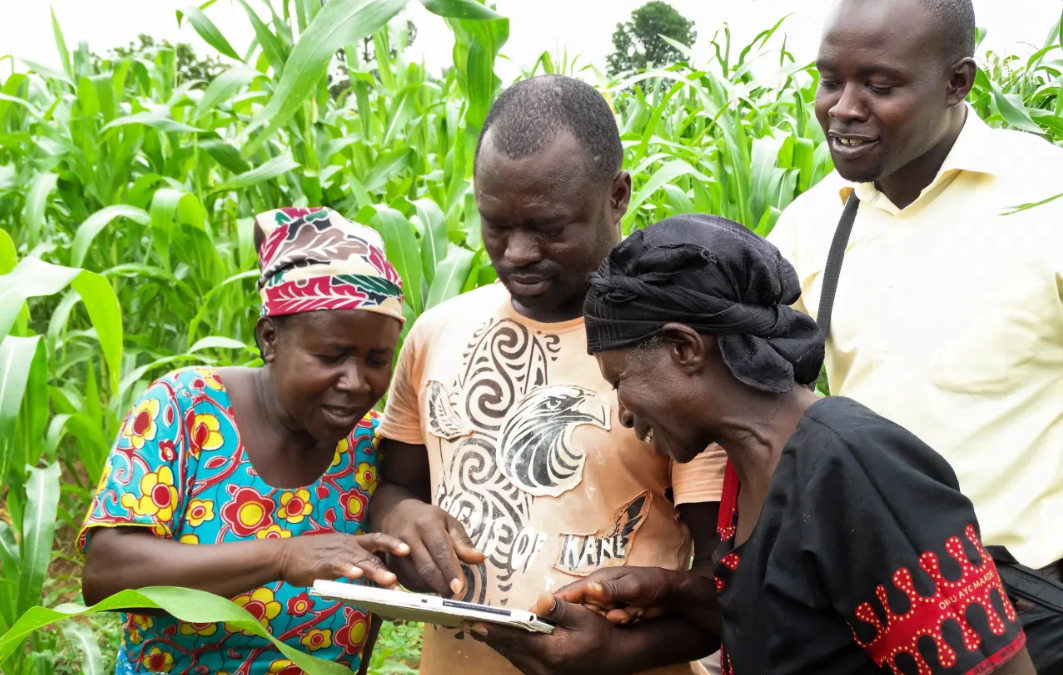
Shared standards for digital agriculture
International standards in digital agriculture have the potential to transform the sector, resulting in cost savings, efficiency, and scale.

by Hannah Craig | Oct 8, 2019 | Agronomy CoP, Communities of Practice, News
International standards in digital agriculture have the potential to transform the sector, resulting in cost savings, efficiency, and scale.
by Marianne McDade | Nov 24, 2018 | News
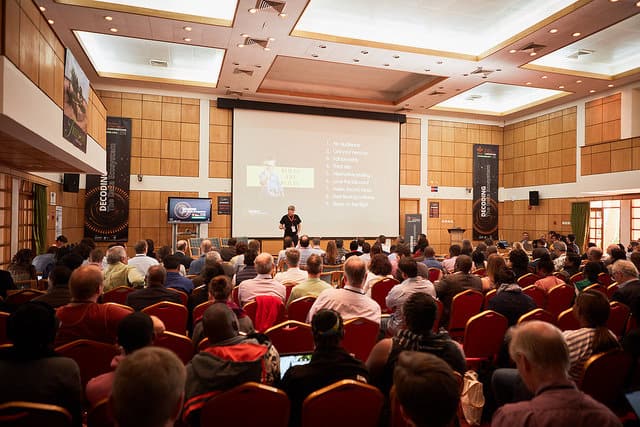
In order for the tools of big data to be put to use for food security, the data ecosystem must enable dynamic connections between data streams today and tomorrow, equipping all actors in the global food system with new agility and adaptability.
by Guest Contributor | Nov 19, 2018 | Convention 2018, Ontology CoP, Video
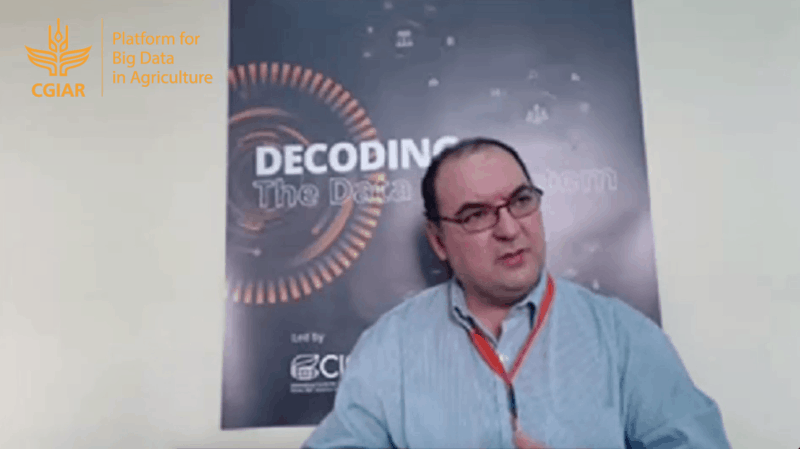
Learn about ontologies and their importance for making agricultural data interoperable with the interview of two experts in data management and information systems.

by Vanessa Sebi | Nov 6, 2018 | Livestock CoP
How can data-driven approaches improve the sustainability and resilience of food systems? And can these approaches be successfully applied in the livestock sector?
by Stefanie Neno | Oct 31, 2018 | Convention 2018, Video
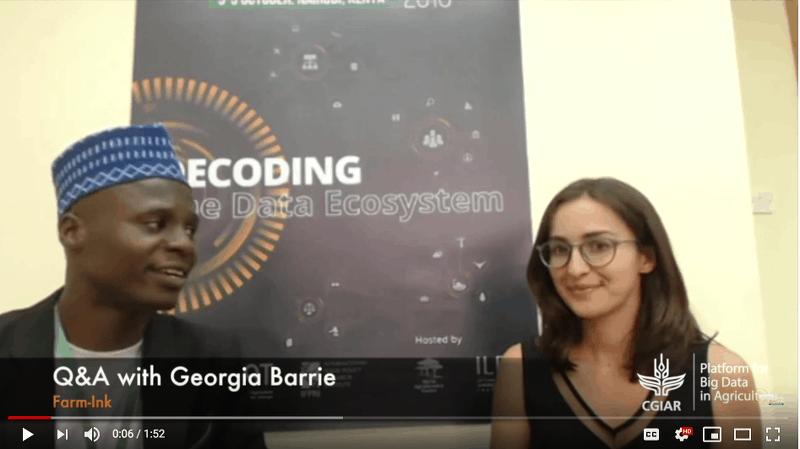
VIDEO: Q&A with Georgia Barrie from Farm.Ink Q&A at the Big Data in Agriculture Convention – Nairobi, 3-5 Oct 2018 Marianne McDade Cali, Colombia TwitterLinkedIn Related Ontology CoP Video Video: Beyond the Census of Things January 16, 2019 Convention...
CGIAR Platform for Big Data in Agriculture advocates open data for agricultural research for development. It considers that opening up research data for scrutiny and reuse confers significant benefits to society.
However, the Platform appreciates that not all research data can be open and that a broad range of legitimate circumstances may require data to be restricted.

As an integral component of its advocacy for open data, the Platform promotes responsible data management through the entire research data lifecycle from planning, collecting, storing, disclosing or publishing, transferring, discovery and archiving.
These guidelines were created from information collected from: review on best and emerging practices across various sectors in the fast changing landscape of privacy and ethics (130 external resources); privacy and ethic materials sourced from seven CGIAR centers; first draft was circulated for input and feedback across CGIAR and incorporated into this edition. It’s important to note that this is an evolving document, the next stage is to consult externally for further input.
These Guidelines are intended to assist agricultural researchers handle privacy and personally identifiable information (PII) in the research project data lifecycle.





Ensure compatibility with the DMP-PII (as above) and also the purpose for which prior informed consent has been obtained
Ensure PII is stored securely to protect privacy, through organizational or project specific safeguards to prevent unauthorized access, accidental disclosure or breach of data (physical & technical)
Don’t store data in unsecured locations or on unsecured devices or servers
Don’t store encrypted data and encryption keys in locations where they can be easily accessed simultaneously
Don’t underestimate the importance and value of administrative safeguards to standardize practices (i.e. organizational policies, procedures and maintenance of security measures that are designed to protect private information, data and access)