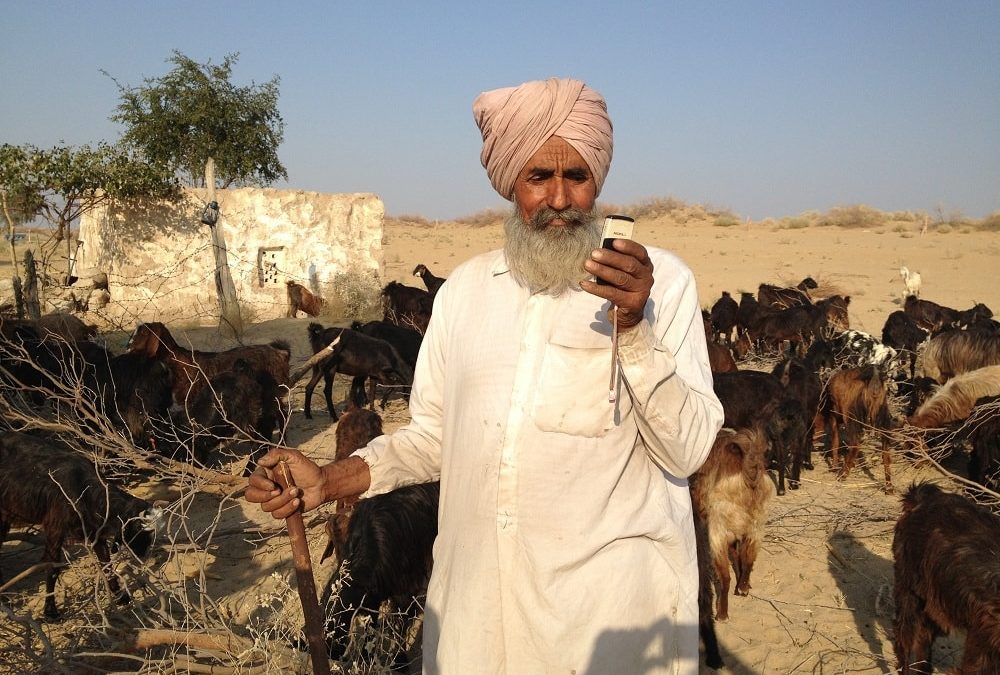
New tool launched to help measure digital innovation impacts across food systems
The Digital Food Systems Evidence Clearing House is building the evidence base for digital interventions, from production to policy.

by Hannah Craig | Sep 10, 2019 | News
The Digital Food Systems Evidence Clearing House is building the evidence base for digital interventions, from production to policy.
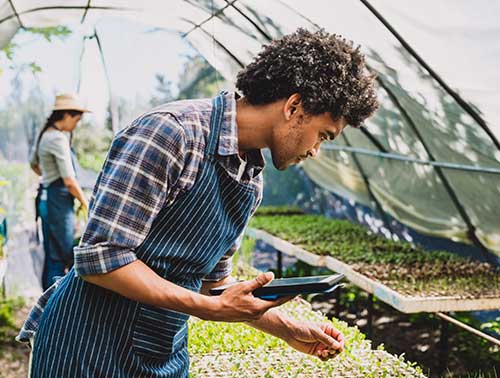
by Hannah Craig | Sep 4, 2019 | News, Opinion
As the digital revolution of African agriculture takes center stage at the 2019 African Green Revolution Forum, CGIAR Platform for Big Data in Agriculture Coordinator Brian King writes on the importance of more and better data for transforming agriculture on the continent and providing new models to ensure no farmer is left behind.
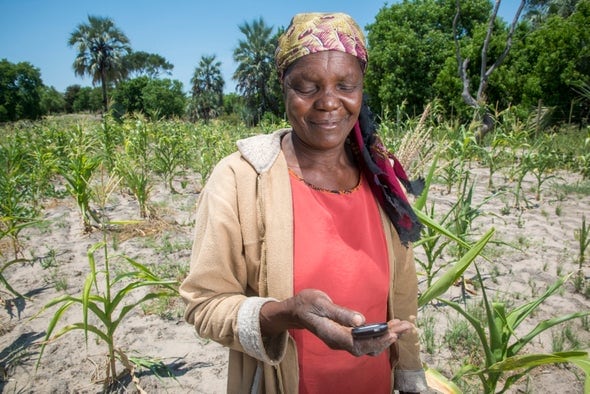
by Hannah Craig | Sep 2, 2019 | Inspire news, News
Armed with AI-equipped smartphones, African farmers should be able to detect and deal with potato viruses before they get out of hand.
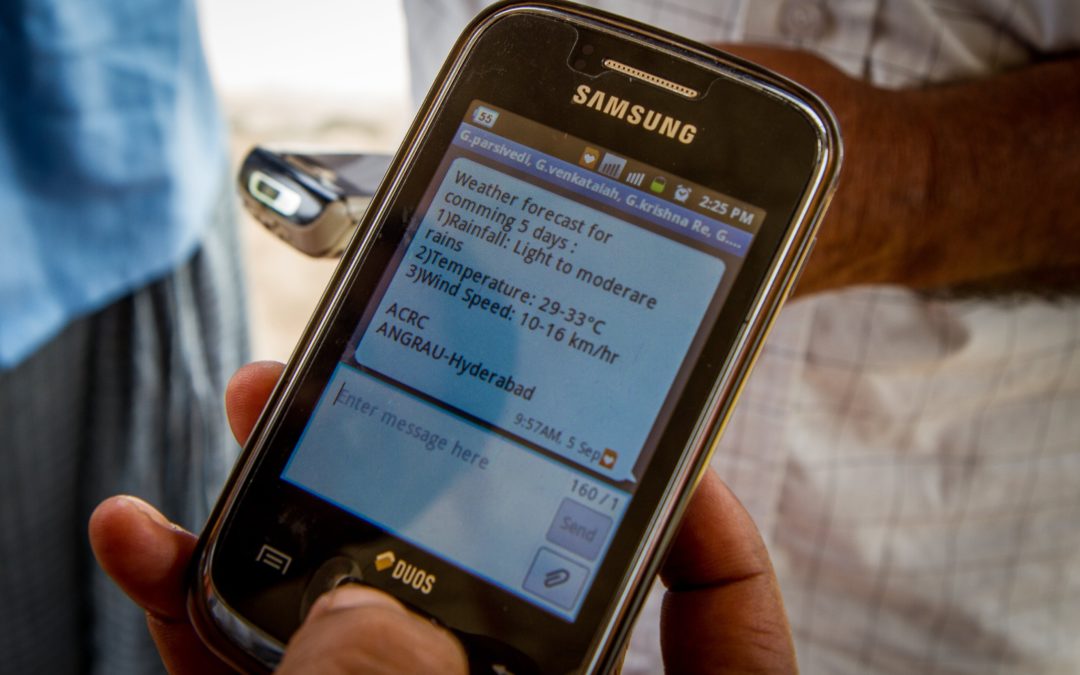
by Hannah Craig | Aug 29, 2019 | Agronomy CoP, Big Data & Digital Agriculture, Blog Competition, News
Are you developing or applying technologies for digital extension services? Are you an enthusiastic agritech entrepreneur that has tackled the challenges that come with implementing novel digital extension technologies in agriculture? If so, this call for blog submissions is for you!

by Hannah Craig | Jun 13, 2019 | Agronomy CoP, Big Data & Digital Agriculture, News
Building on the success of the Climate-Smart Agriculture Country Profiles, CIAT, together with the World Bank and FAO, is leading an initiative to create profiles for digital agriculture, starting with Argentina, Grenada, Kenya, Turkey and Vietnam.
CGIAR Platform for Big Data in Agriculture advocates open data for agricultural research for development. It considers that opening up research data for scrutiny and reuse confers significant benefits to society.
However, the Platform appreciates that not all research data can be open and that a broad range of legitimate circumstances may require data to be restricted.

As an integral component of its advocacy for open data, the Platform promotes responsible data management through the entire research data lifecycle from planning, collecting, storing, disclosing or publishing, transferring, discovery and archiving.
These guidelines were created from information collected from: review on best and emerging practices across various sectors in the fast changing landscape of privacy and ethics (130 external resources); privacy and ethic materials sourced from seven CGIAR centers; first draft was circulated for input and feedback across CGIAR and incorporated into this edition. It’s important to note that this is an evolving document, the next stage is to consult externally for further input.
These Guidelines are intended to assist agricultural researchers handle privacy and personally identifiable information (PII) in the research project data lifecycle.





Ensure compatibility with the DMP-PII (as above) and also the purpose for which prior informed consent has been obtained
Ensure PII is stored securely to protect privacy, through organizational or project specific safeguards to prevent unauthorized access, accidental disclosure or breach of data (physical & technical)
Don’t store data in unsecured locations or on unsecured devices or servers
Don’t store encrypted data and encryption keys in locations where they can be easily accessed simultaneously
Don’t underestimate the importance and value of administrative safeguards to standardize practices (i.e. organizational policies, procedures and maintenance of security measures that are designed to protect private information, data and access)