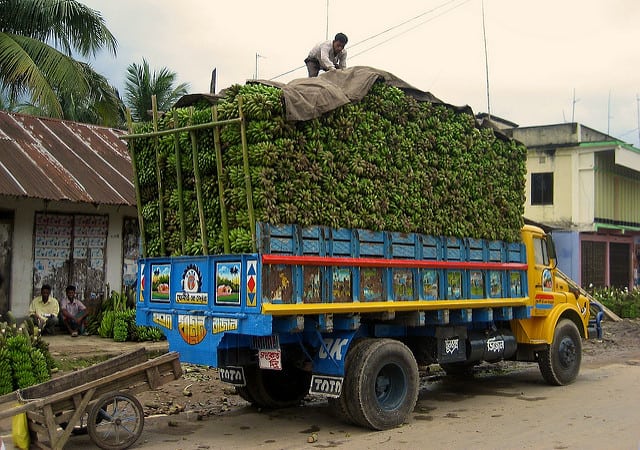
Big data poised to transform the global food chain
To achieve food and nutritional security, for present and future generations, an agricultural transformation is not only required. It is vital.

by Guest Contributor | Apr 11, 2018 | Application & Use, Blog Competition
To achieve food and nutritional security, for present and future generations, an agricultural transformation is not only required. It is vital.
by Guest Contributor | Mar 29, 2018 | Application & Use, Blog Competition, Innovation
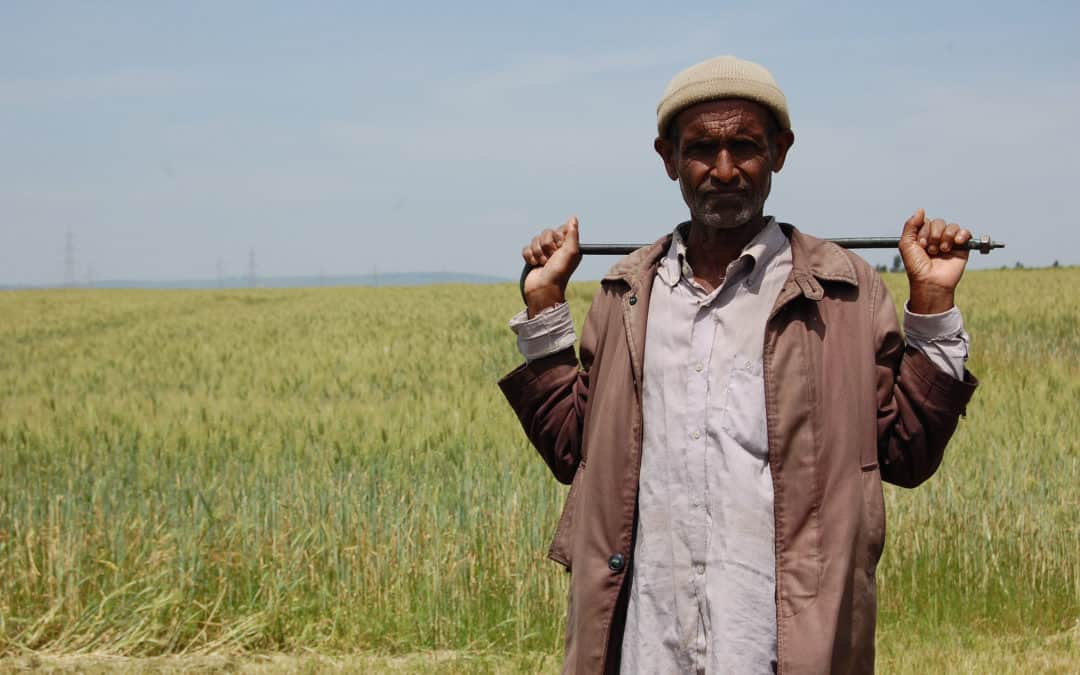
Although data is important for all players in the value chain, the primary end-users are the farmers and they are the most novice players in the big data approach, particularly those in developing countries.
by Guest Contributor | Mar 16, 2018 | Application & Use, Blog Competition, Privacy & Ethics
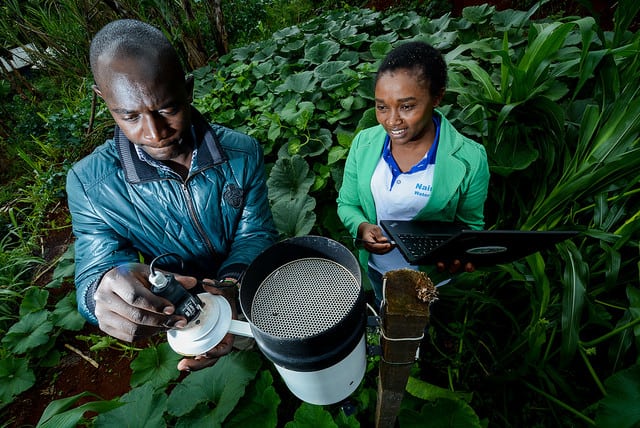
If the farmer has right to consume, sell, or share their crop, then what about the data generated by the farm? For real digital empowerment there must also be data empowerment.
by Guest Contributor | Mar 3, 2018 | Blog Competition, News
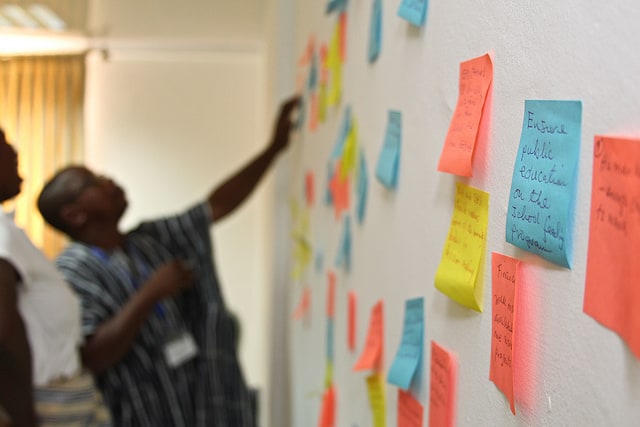
In order to transform our food systems and make the way we grow, sell and consume food more sustainable we need data. We need data that is open and online.
by Guest Contributor | Feb 28, 2018 | Blog Competition, News
As the supply of open data is increasing, it is equally important to consider the demand and usage of these data by the group targeted to benefit.
CGIAR Platform for Big Data in Agriculture advocates open data for agricultural research for development. It considers that opening up research data for scrutiny and reuse confers significant benefits to society.
However, the Platform appreciates that not all research data can be open and that a broad range of legitimate circumstances may require data to be restricted.

As an integral component of its advocacy for open data, the Platform promotes responsible data management through the entire research data lifecycle from planning, collecting, storing, disclosing or publishing, transferring, discovery and archiving.
These guidelines were created from information collected from: review on best and emerging practices across various sectors in the fast changing landscape of privacy and ethics (130 external resources); privacy and ethic materials sourced from seven CGIAR centers; first draft was circulated for input and feedback across CGIAR and incorporated into this edition. It’s important to note that this is an evolving document, the next stage is to consult externally for further input.
These Guidelines are intended to assist agricultural researchers handle privacy and personally identifiable information (PII) in the research project data lifecycle.





Ensure compatibility with the DMP-PII (as above) and also the purpose for which prior informed consent has been obtained
Ensure PII is stored securely to protect privacy, through organizational or project specific safeguards to prevent unauthorized access, accidental disclosure or breach of data (physical & technical)
Don’t store data in unsecured locations or on unsecured devices or servers
Don’t store encrypted data and encryption keys in locations where they can be easily accessed simultaneously
Don’t underestimate the importance and value of administrative safeguards to standardize practices (i.e. organizational policies, procedures and maintenance of security measures that are designed to protect private information, data and access)